What a Crypto Ad Network for Adult Traffic Is
Learn how a crypto ad network for adult traffic helps publishers monetize adult inventory with relevant ads, crypto payouts, and better UX.
On this page0%
What a Crypto Ad Network for Adult Traffic Is
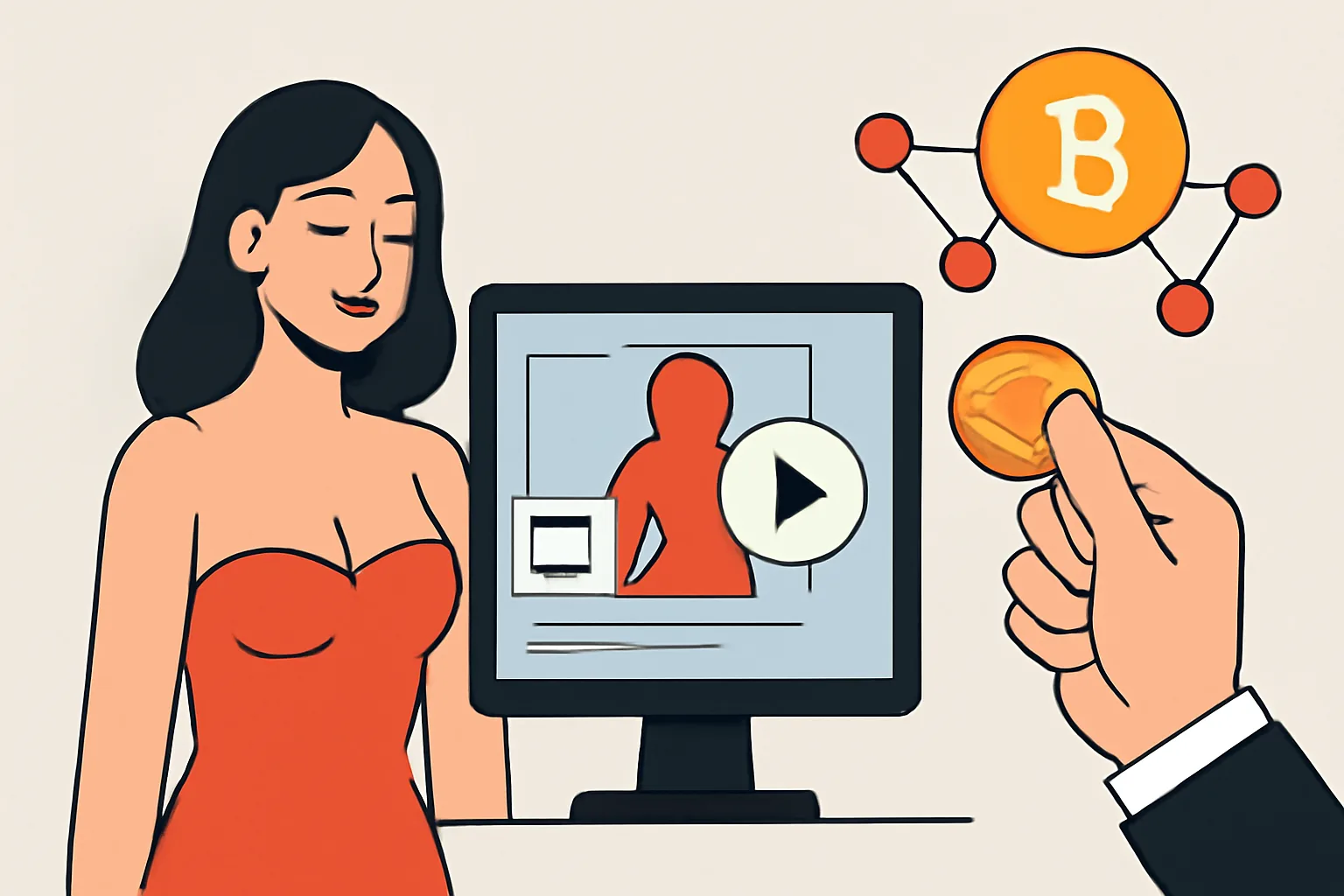
A crypto ad network for adult traffic is an ad marketplace built to match publishers with advertisers who accept adult inventory and often pay in crypto. The setup is simple on paper: a publisher sends traffic, the network serves ads, and payouts move through wallets or other crypto-friendly rails. The difference from a general ad platform is the audience and the policy line. Adult sites are often rejected by mainstream networks before the first impression even loads.
That rejection matters. A crypto ad network for adult traffic usually accepts content that a standard display network will not touch, and it may also support traffic from cams, tube sites, forums, and niche landing pages. Some networks focus on one vertical, such as dating, adult games, or subscription offers; others keep a wider catalog. The key point is relevance. A visitor who landed on an adult page does not want a random SaaS banner.
In practice, this model is common because adult publishers need monetization without hiding their traffic source or forcing awkward workarounds. If you want a wider look at the crypto side of ad monetization, the Crypto Advertising: The Complete 2026 Guide gives a useful broader frame.
Why Adult Publishers Look for Specialized Ad Networks
Adult publishers usually start with one problem: policy restrictions. A site can have steady traffic and still be blocked by mainstream partners for a single adult category tag. That leaves inventory idle. A specialized adult ad network exists for exactly this reason, and the demand is not small. Adult audiences are large, repeat visitors often return daily, and advertisers in dating, cams, supplements, and premium subscriptions want that attention.
Privacy is another reason. Adult traffic is sensitive traffic. Many publishers prefer a setup that limits unnecessary data sharing and avoids the awkwardness of routing users through partners that demand broad profile collection. That does not mean privacy becomes automatic. It means the adult ad network needs to explain what it stores, what it passes on, and which cookies or device signals it uses. Three questions. One answer.
There is also a practical revenue reason. Advertisers buying adult placements tend to care more about intent than brand polish. A visitor on an adult page can convert on an adult offer, a membership page, or a geo-specific dating funnel if the ad is relevant and the page loads quickly. One badly matched ad, though, can kill trust in seconds.
For publishers comparing network types across crypto and adult inventory, the Crypto Ad Network for Publishers: Monetize Sites article is a useful reference point.
How to Monetize Adult Traffic Without Hurting User Experience
Adult traffic can be monetized in several ways, but the format choice matters more than many publishers expect. Display ads are the default. Native placements can feel less intrusive when they match the page structure. Popunders can still work on high-volume pages, especially on desktop, but they need restraint. One pop too many and users leave fast.
Push ads are common in adult monetization because they can re-engage returning visitors, yet they should not be used as a blunt instrument. Direct deals are another path. A site with stable traffic from a specific country can sell placements straight to one advertiser, which removes auction noise and can improve payout predictability.
Hybrid setups often produce the best balance. A publisher may run one native unit on desktop, a light popunder on exit intent, and a direct sponsorship block in the sidebar. The question is not “which format pays most?” It is “which mix keeps the page usable?” A slow page with four aggressive ads loses more than it gains.
Here is a simple rule: use one high-impact format per page, then add one quieter unit only if the first test proves the page still feels usable. Two units can be fine. Five is usually a mistake.
Key Features to Look for in an Adult Ad Network
The first filter is traffic acceptance. A network may say it supports adult traffic, but the details matter. Does it accept tube traffic, cam traffic, escort pages, dating landers, or only strict content categories? Does it allow tier-1, tier-2, and lower-volume geos? If the answer is vague, that network will waste your time. Ask for the traffic rules before you place a single tag.
Crypto payment options are next. Some networks pay in BTC, ETH, USDT, or another wallet-based method. That flexibility can help adult publishers who do not want bank transfers tied to a sensitive vertical. Still, a wallet is only useful if the network confirms payout thresholds, processing days, and any chain-specific fees. One hidden fee can erase a good test campaign.
Targeting controls matter too. A serious adult ad network should offer at least geo targeting, device targeting, frequency control, and category exclusions. Anti-fraud tools are also important. Adult inventory can attract bot traffic, fake clicks, and overstuffed placements from weak buyers. If the network cannot explain how it checks traffic quality, ask again. Then ask one more time.
Reporting should not be an afterthought. Look for impression logs, click data, placement-level performance, and enough breakdowns to compare desktop with mobile and one country with another. Support matters as well. An adult publisher will eventually need human help, not only a dashboard.
| Feature | What to check |
|---|---|
| Accepted traffic | Adult categories, geos, device types, and content rules |
| Crypto payouts | Coin choice, thresholds, processing time, fees |
| Targeting | Geo, device, frequency, category exclusions |
| Fraud controls | Bot filtering, click checks, placement review |
| Reporting | Placement, geo, device, and time-based breakdowns |
| Support | Real human contact and response time |
Crypto Payments, Privacy, and Payout Flexibility
Crypto payouts appeal to adult publishers for a few concrete reasons. Settlements can be faster than traditional wires, especially for publishers outside the main banking corridors. Some networks pay on fixed schedules, while others process after a threshold is reached. That matters when you are reinvesting into traffic or buying content on a tight timeline. Cash flow is cash flow.
Privacy is part of the appeal too. A publisher may prefer a wallet address over a bank account because it separates ad revenue from the rest of the business profile. That does not remove compliance duties. A network may still require KYC, tax forms, or wallet verification before the first payout. A wallet is not a shield. It is a payment method.
Adult publishers should also check wallet hygiene. Use a wallet you control, confirm the chain before sending funds, and keep a record of payout IDs. A missing memo or wrong network selection can delay funds for days. This sounds basic because it is basic. Basic mistakes cost money.
For publishers who also run crypto-facing inventory, the article on banner ads for cryptocurrency can help compare formats and payout thinking across verticals.
Ad Formats That Work Best for Adult Traffic
Display banners remain the easiest starting point because they fit almost any page layout. They work best on pages with stable mid-session attention, such as category pages or content hubs. Native ads can outperform standard banners on pages where users scroll rather than click immediately. The reason is simple: a native block feels like part of the page structure, not a foreign object dropped in from nowhere.
Popunders can perform well on desktop-heavy adult sites with high return visits. They are less attractive on mobile, where a sudden new tab can feel clumsy and lead to bounce. Push ads suit audiences that opt in and come back often, but they need a clean consent flow. If users do not understand what they accepted, the format turns into a complaint generator.
Direct offers deserve attention on traffic with clear intent. A landing page focused on one category, one country, or one audience segment can sometimes monetize better with a single direct placement than with an auction widget loaded with mismatched ads. A common example is a dating page in one geo with one rotating sponsor slot. One page. One message. Better focus.
Device mix also changes the answer. Mobile users often respond better to lighter placements and faster loading ad units, while desktop pages can support more aggressive formats if the publisher keeps the spacing sane. The format should match the source, the device, and the page goal. If the page exists to drive a signup, do not bury the signup behind a loud interruptive ad.
Common Risks, Compliance Issues, and Best Practices
Compliance starts with the basics: know what adult content the network accepts, what it rejects, and which geos are restricted. Some advertisers avoid certain countries, while some publishers are blocked from specific campaigns. If the network does not list these rules clearly, the risk shifts to you. Ask before launch, not after the first payout dispute.
Brand safety matters even in adult monetization. A network may still have quality standards for ad copy, landing pages, and redirect chains. Scam prevention matters too. Adult traffic can attract bad actors who promise high payouts and then rotate into thin offers or fake support channels. If an advertiser wants access to your placement but refuses to explain the landing page, walk away.
Testing is the best protection. Start with one placement, one traffic source, and one geo. Track viewability, click quality, and revenue for at least a short test window before adding more units. If the numbers jump but user sessions drop, the ad is too aggressive. If clicks are fine but revenue is flat, the demand side is weak.
Publishers should also keep a simple checklist: confirm adult acceptance, verify payment terms, test ad load speed, review creative quality, and check support response time. Five checks. Five minutes more than guessing.
How to Choose the Right Network for Your Site
The right adult ad network is the one that fits your traffic, not the one with the loudest sales message. Start with a small test on one page type. Measure revenue per session, not only CTR, because a high click rate can hide poor user retention. If your site earns more with fewer interruptions, that is the network worth keeping.
Look at traffic quality first. A network that fills every impression but sends weak buyers is worse than one with a slightly lower fill rate and better relevance. Then compare ad relevance by geo and device. A mobile-heavy site with desktop-first offers will underperform, even if the dashboard looks busy. Real performance shows up after the first novelty fades.
Support responsiveness should be part of the decision. Ask a real question before launch and see how the network answers. Do they explain rejection reasons, payout timing, and ad format limits clearly? Or do they reply with vague promises and a logo? The answer tells you more than the pitch deck.
Scaling should wait until the test proves the placement works. Add one format, one extra page group, or one new country at a time. If you change three variables at once, you will not know what caused the lift. That is how publishers confuse luck with strategy. Two changes are enough. Three is chaos.
Adult publishers who treat the adult ad network as a business partner rather than a quick plug-in usually get better results. They watch the page, not only the payout. They ask for reporting. They keep the ad load reasonable. And they stop a bad placement before it trains users to ignore the site itself.
Terms in this article
Short definitions from the Adgora glossary.
- Offer
- A specific thing being advertised with a defined payout for a defined action — the unit of CPA. See the CPA marketing guide.
- Popunder
- A full page opened in a tab behind the user's window. No creative — the landing page is the ad. The cheapest volume available and the coldest audie…
- Landing page
- The page a click sends someone to. It has one job: continue the promise the ad made. See landing page optimization.
- Impression
- One ad served to one user, once.
- Push ad
- A short clickable message delivered to opt-in subscribers as a notification. Cheap, high attention, well suited to impulse offers. Specs and pricing →
- Display ad
- A standard image banner in a fixed slot. Adgora serves six IAB sizes. Specs and pricing →
- Native ad
- A paid unit styled to match the surrounding content — headline, thumbnail and text that read rather than shout. Specs and pricing →
- Creative
- The actual ad shown — the image, headline, text or video file plus its landing URL. Reviewed before it can serve.
Frequently asked questions
What is a crypto ad network for adult traffic?
It is an ad marketplace that matches publishers with advertisers willing to buy adult inventory, often paying through crypto-friendly methods. Unlike general ad platforms, it is designed to accept adult content and related traffic types that mainstream networks usually reject.
Why do adult publishers use specialized ad networks instead of mainstream ones?
Adult publishers often use specialized networks because mainstream partners commonly block adult categories, which leaves traffic unmonetized. These networks also better fit privacy concerns and allow advertisers that want adult-focused audiences.
What ad formats work best for monetizing adult traffic without hurting user experience?
Display, native, popunder, push, and direct deals can all work, but the best choice depends on the site and audience. The article recommends using one high-impact format and adding only one quieter unit if the page still remains usable.
What features should you check before choosing an adult ad network?
You should verify accepted traffic types, crypto payout options, targeting controls, anti-fraud tools, reporting depth, and support quality. It is also important to confirm payout thresholds, processing times, fees, and the network’s traffic rules before adding any tags.
